











Cart: (0) Items

You have no items in your shopping cart.

  • Preventing Wheel Failure in Debris-Heavy Metal Fabrication Environments


    Company Overview

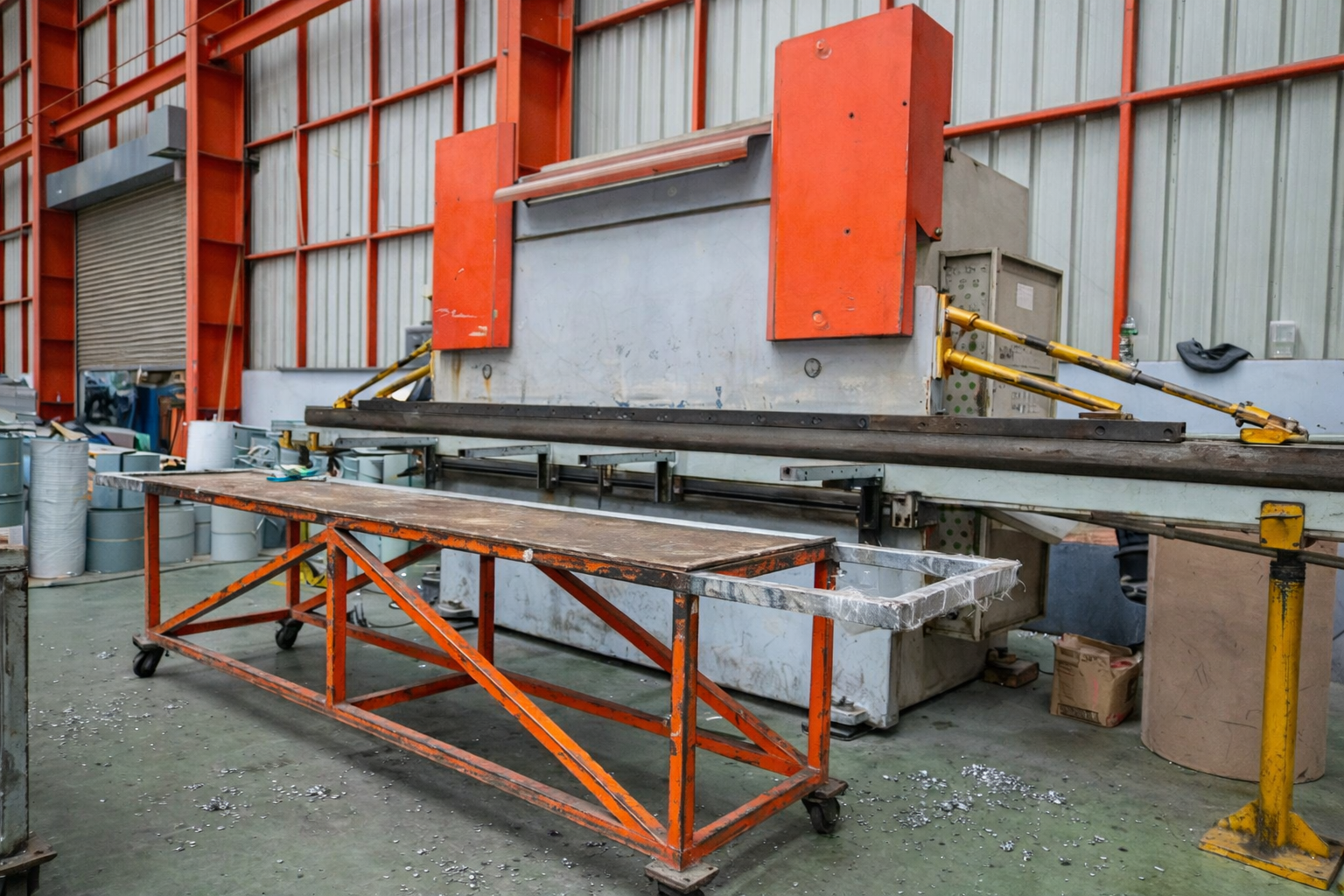
    A mid-sized metal fabrication shop produces welded steel frames and structural subassemblies. Work-in-progress carts transport partially completed weldments between cutting, welding, grinding, and finishing stations throughout the facility.

    These carts move constantly through production areas where steel slag, weld spatter, grinding dust, and scrap fragments are routine byproducts of daily operations.


    Business Challenge

    Over several months, maintenance teams reported increasing caster failures. Wheels were degrading prematurely, carts became harder to push, and several casters locked up entirely — forcing operators to drag or manually reposition loaded carts.

    “We kept replacing wheels, but the same failures kept coming back.”

    The carts were not overloaded. The duty rating appeared correct. Nothing was bending or collapsing structurally.

    The issue was progressive mobility breakdown in a debris-heavy production environment.


    Existing Caster Configuration (Before)

    Rig:
    5x2"
    Kingpin & rigid combo
    Zinc-plated steel


    Wheel:
    Phenolic resin
    Flat
    Roller


    Observed Result:
    Wheels chipped and degraded in debris-heavy areas, increasing rolling resistance and eventually leading to caster lock-up.


    What Was Really Happening

    The failure did not originate from insufficient load capacity. It originated at the wheel–environment interface.

    In heavy debris environments, two factors dominate performance:

    • Wheel face geometry (debris shedding vs. debris trapping)
    • Tread material resistance to cutting, gouging, and impact

    The flat-faced phenolic resin wheel created a broad, uninterrupted contact patch. In an environment filled with steel fragments and slag, that geometry allowed debris to remain trapped beneath the tread instead of being displaced outward.

    Phenolic resin is a rigid, brittle material with minimal impact absorption. When sharp metallic debris entered the contact zone, stress concentrated at the surface. Rather than deflecting or allowing debris to embed harmlessly, the tread chipped and fractured.

    As surface damage accumulated, rolling became irregular. Vibration increased. Debris interference worsened.

    The roller bearing itself was not the initial failure point, but once tread damage created inconsistent rotation and shock loading, bearing degradation followed as a secondary effect.

    The system did not fail because it was under-rated. It failed because the tread characteristics were mismatched to a documented heavy debris priority.


    Recommended Solution

    The revised configuration focused first on debris management at the wheel interface, then on preserving rolling stability under repeated shock exposure.

    The goal was to:

    • Reduce debris entrapment
    • Improve resistance to cutting and gouging
    • Stabilize rotation under contaminated conditions
    • Maintain load capacity within the existing duty class


    Updated Caster Configuration

    Rig:
    5x2"
    Kingpin & rigid combo
    Zinc-plated steel


    Wheel:
    Solid polyurethane
    Crowned
    Pedestal ball


    Why This Solution Worked

    Debris Shedding Through Geometry

    Switching from a flat tread to a crowned profile reduced the continuous contact patch. Instead of trapping steel fragments beneath a wide surface, the crowned geometry encouraged debris to migrate laterally away from the centerline of travel.

    This reduced repeated impact concentration and minimized particle entrapment.


    Improved Resistance to Cutting and Surface Fracture

    Solid polyurethane provides greater resilience than phenolic resin. In heavy debris environments, this matters significantly.

    Rather than chipping under concentrated metallic impact, the polyurethane tread absorbs localized stress and distributes force more evenly. This slows surface breakdown and maintains a more consistent rolling profile over time.


    Stabilized Bearing Performance Under Contamination

    The pedestal ball bearing provided more controlled rotation under intermittent shock and uneven loading created by debris encounters.

    By improving tread resilience and reducing surface fracture, shock transmission into the bearing was reduced. The bearing was no longer forced to compensate for irregular tread damage.


    System-Level Balance

    The rig remained structurally appropriate for the load. By correcting the wheel–environment mismatch, push forces normalized and secondary stress on the frame decreased.

    The mobility system returned to predictable, controlled operation.


    Results

    • Significant reduction in tread chipping and surface fracture
    • Improved debris shedding during daily operation
    • Reduced caster lock-up incidents
    • Lower maintenance frequency and downtime

    “We stopped fighting the carts. They just move the way they’re supposed to.”


    Key Takeaway

    In heavy debris environments, load rating alone does not determine success. Wheel face geometry and tread material must be matched to how debris interacts with the floor interface.

    Caster performance is a system outcome. When tread resilience, debris-shedding geometry, and bearing stability work together, rolling resistance stabilizes, structural stress decreases, and maintenance cycles extend.


    How CasterDepot Can Help

    For over 45 years, CasterDepot has helped metal fabrication operations engineer mobility solutions that perform under real-world conditions—not just on spec sheets.


    Next steps:
    Talk it through with your local CasterHead®
    Discuss pricing and lead time
    Request supporting documentation
    Test a sample in your application


    Contact us now at https://www.casterdepot.com/contact/ or call one of our CasterHead® at 888.907.9952
  • Eliminating Flat Spotting in Continuous-Use Ingredient Carts


    Company Overview

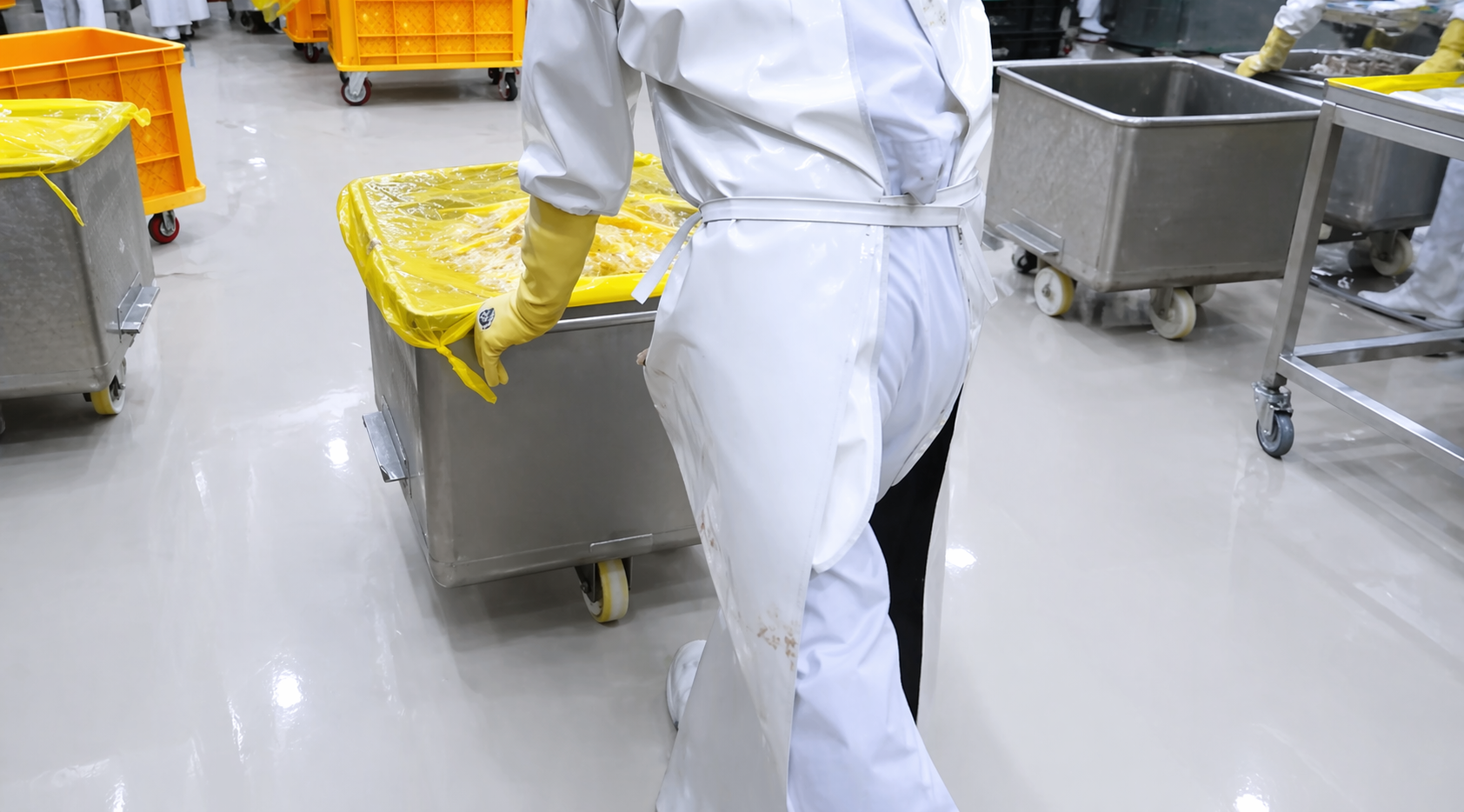
    A mid-sized food processing facility specializing in packaged ready-to-eat meals operates multiple production lines daily. Ingredient bins and finished product racks move continuously between prep, cooking, cooling, and packaging zones.

    Carts remain in near-constant motion during shifts and stay under load even when staged between processes. Mobility is not occasional—it is embedded into the production flow.


    Business Challenge

    Over a six-month period, the maintenance team began replacing casters on ingredient carts far more frequently than expected.

    “We thought we chose a strong, durable wheel. Instead, we’re swapping casters constantly.”

    Operators reported that carts no longer rolled smoothly after only a few weeks in service. Wheels appeared slightly flattened, and carts required noticeably more force to initiate movement at the start of a shift. Workflow speed slowed. Operator fatigue increased.

    Nothing appeared overloaded. Nothing appeared structurally undersized. But performance declined steadily under normal operating conditions.


    Existing Caster Configuration (Before)

    Rig:
    5x2
    Kingpin & rigid combo
    Zinc-plated steel


    Wheel:
    Phenolic resin
    Flat
    Roller


    Observed Result:
    Frequent wheel replacement due to flat spotting and increased rolling resistance under continuous daily use.


    What Was Really Happening

    This application was defined by continuous usage, not simply load capacity.

    Ingredient carts operated throughout extended shifts and remained under sustained load during staging. That meant repeated cyclic deformation combined with prolonged static compression.


    Three technical factors converged:

    1. Rigid Tread Under Sustained Compression

    Phenolic resin is strong and dimensionally stable under static load ratings. However, it lacks resilience under long-term cyclic deformation.

    When held under load for extended periods, the material experienced compression set. It did not fully recover to its original geometry, leading to flat spotting.


    2. Increased Rolling Resistance Over Time
    Once flat spots developed, carts required greater start-up force. The issue was not bearing failure—it was geometric distortion in the wheel.

    Operators felt the effect as resistance at the beginning of movement and vibration during travel.


    3. Symptom Amplification Through the System
    As rolling resistance increased, more force was transmitted through the bearing and rig assembly. While neither component caused the failure, both became part of the symptom chain once the wheel geometry degraded.


    The root cause was material behavior under continuous duty.


    Recommended Solution

    The application required a wheel material capable of maintaining dimensional stability under sustained deformation and continuous cycling.

    Rather than selecting for rigidity alone, the revised configuration prioritized creep resistance, long-term structural stability, and consistent rolling geometry under daily use.


    Updated Caster Configuration

    Rig:
    5x2
    Kingpinless & rigid combo
    Stainless steel


    Wheel:
    White nylon
    Crowned
    Pedestal ball


    Why This Solution Worked

    Improved Dimensional Stability Under Load

    White nylon provides better long-term resistance to compression set in continuous-duty applications compared to rigid resin formulations. The wheel maintained its geometry despite sustained loading and repeated cycles.


    Reduced Start-Up Resistance

    By preventing flat spotting, the wheel preserved consistent rolling radius. Operators experienced smoother start-up and reduced push force at the beginning of shifts.


    More Stable Tracking During Travel

    The crowned wheel face reduced edge loading and minimized scrub during directional changes. This helped maintain predictable tracking and reduced vibration transmission through the system.


    Balanced Bearing Performance

    The pedestal ball bearing supported consistent rolling under medium-duty continuous use. With wheel geometry preserved, the bearing operated within stable load parameters rather than compensating for surface irregularities.


    The solution addressed the system—not just a single component.


    Results

    • Significant reduction in flat spotting
    • Extended caster service life
    • Lower start-up push force at shift start
    • Reduced maintenance interruptions

    “We stopped thinking of it as a ‘tough wheel’ problem and started thinking of it as a continuous-duty system. That changed everything.”


    Key Takeaway

    Continuous-duty applications are defined by time under load, not just weight capacity. A wheel that performs well under static strength ratings may degrade when subjected to sustained deformation and cyclic stress.

    Caster performance must be evaluated as an integrated system—wheel material stability, bearing consistency, and rig structure working together to maintain geometry and rolling efficiency over time.


    How CasterDepot Can Help

    For over 45 years, CasterDepot has helped food processing operations engineer mobility solutions that perform under real-world conditions—not just on spec sheets.


    Next steps:
    Talk it through with your local CasterHead®
    Discuss pricing and lead time
    Request supporting documentation
    Test a sample in your application


    Contact us now at https://www.casterdepot.com/contact/ or call one of our CasterHead® at 888.907.9952
  • Reducing Floor Damage in Road Case Operations


    Company Overview

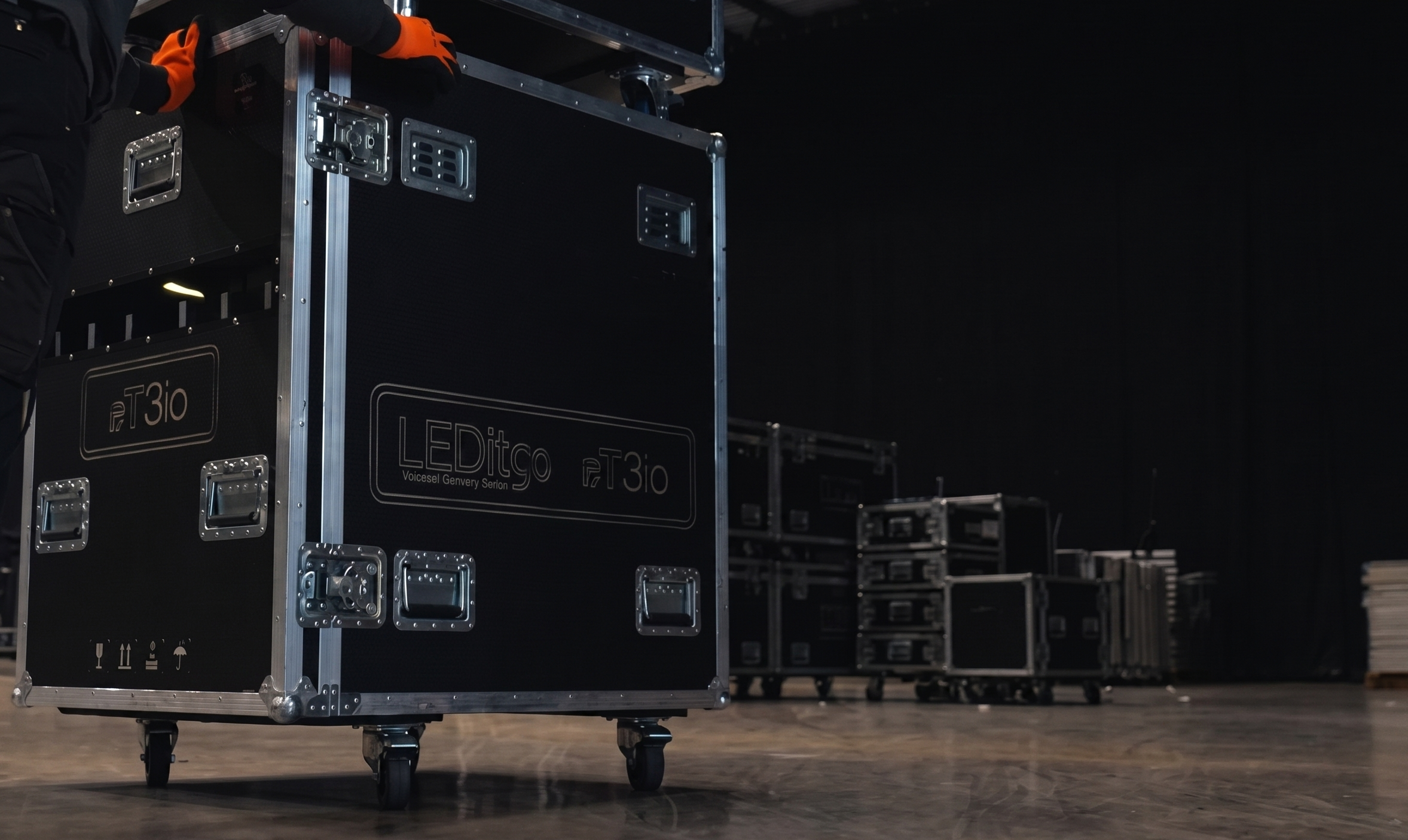
    A mid-sized production company manages touring equipment for live events, moving road cases across concert venues, convention centers, and temporary staging areas. Their operations require frequent loading, unloading, and repositioning of equipment throughout the day.


    Business Challenge

    The team began receiving consistent complaints from venue operators regarding visible floor damage after events.

    "Venue managers were pointing out marks immediately after load-out, and we couldn’t ignore it anymore."

    Despite careful handling, road cases were leaving marks and surface wear on finished flooring—especially in newer or high-end venues. This created added costs, strained relationships, and increasing urgency to correct the issue.


    Existing Caster Configuration (Before)

    Rig:
    4x2"
    Kingpin swivel
    Zinc-plated steel


    Wheel:
    Polyolefin
    Crowned
    Roller


    Observed Result:
    Visible floor marking and surface wear on finished flooring across multiple venues.


    What Was Really Happening

    The issue was not caused by misuse or overloading. It was the result of how the caster system interacted with finished flooring under real operating conditions.


    1. Concentrated Load from Wheel Material and Geometry

    Polyolefin, while durable and cost-effective, created a more aggressive interface with finished flooring. Combined with a crowned wheel profile, the load was concentrated into a smaller contact patch.

    This increased localized pressure, making the wheel more likely to mark or wear the surface during both straight movement and pivoting.


    2. Scrubbing Forces from Swivel Dynamics

    The kingpin swivel rig allowed frequent directional changes, which introduced lateral forces at the floor interface.

    During pivoting, the already concentrated load from the crowned polyolefin wheel translated into higher scrubbing forces—amplifying floor damage during routine maneuvering.


    3. Bearing Enabled Movement Without Mitigation

    The roller bearing supported consistent rolling under load, but it did not influence how forces were distributed at the floor.

    As a result, the system moved efficiently while still applying concentrated, aggressive contact forces—allowing damage to occur without resistance or feedback to the operator.


    Recommended Solution

    The revised configuration focused on reducing surface aggression and distributing load more evenly at the floor interface, while maintaining maneuverability for event operations.


    Updated Caster Configuration

    Rig:
    4x2"
    Kingpin swivel
    Zinc-plated steel


    Wheel:
    TPR on polypropylene
    Round
    Pedestal ball


    Why This Solution Worked

    Reduced Floor Aggression at the Contact Interface

    The TPR tread provided a more compliant interface with finished flooring. This reduced the inherent aggressiveness of the wheel material and minimized the likelihood of visible marking.


    Improved Load Distribution Through Wheel Geometry

    Switching to a round wheel face increased the effective contact area during movement and transitions. This reduced localized pressure and helped prevent concentrated surface wear.


    Controlled Force Transfer Through the System

    The combination of a softer tread and more balanced geometry worked together to moderate how forces were transmitted into the floor.

    Rather than concentrating force at a narrow contact point, the system distributed it more evenly—especially during pivoting movements.


    Smoother Rolling Behavior Under Load

    The pedestal ball bearing supported consistent, low-resistance movement while allowing the wheel to maintain stable contact with the floor.

    This helped reduce micro-slipping and uneven force application during starts, stops, and directional changes.


    Results

    • Elimination of visible floor marking in sensitive venue environments
    • Reduced surface wear across repeated load-ins and repositioning
    • Improved acceptance from venue operators and event managers
    • Maintained maneuverability without increasing operator effort

    "We stopped getting called out for floor damage—and that changed how venues viewed our entire operation."


    Key Takeaway

    Caster performance in floor-sensitive environments is driven by how wheel material, geometry, and rig dynamics interact at the point of contact. A durable setup can still fail if it concentrates force or creates aggressive surface interaction during normal movement.

    By aligning tread compliance, wheel face geometry, and bearing behavior, the system shifted from concentrated force application to controlled load distribution—reducing damage without sacrificing usability.


    How CasterDepot Can Help

    For over 45 years, CasterDepot has helped road cases operations engineer mobility solutions that perform under real-world conditions—not just on spec sheets.


    Next steps:
    Talk it through with your local CasterHead®
    Discuss pricing and lead time
    Request supporting documentation
    Test a sample in your application


    Contact us now at https://www.casterdepot.com/contact/ or call one of our CasterHead® at 888.907.9952
  • Reducing Instability and Premature Wear in Multi-Surface Nursery Transport Carts


    Company Overview

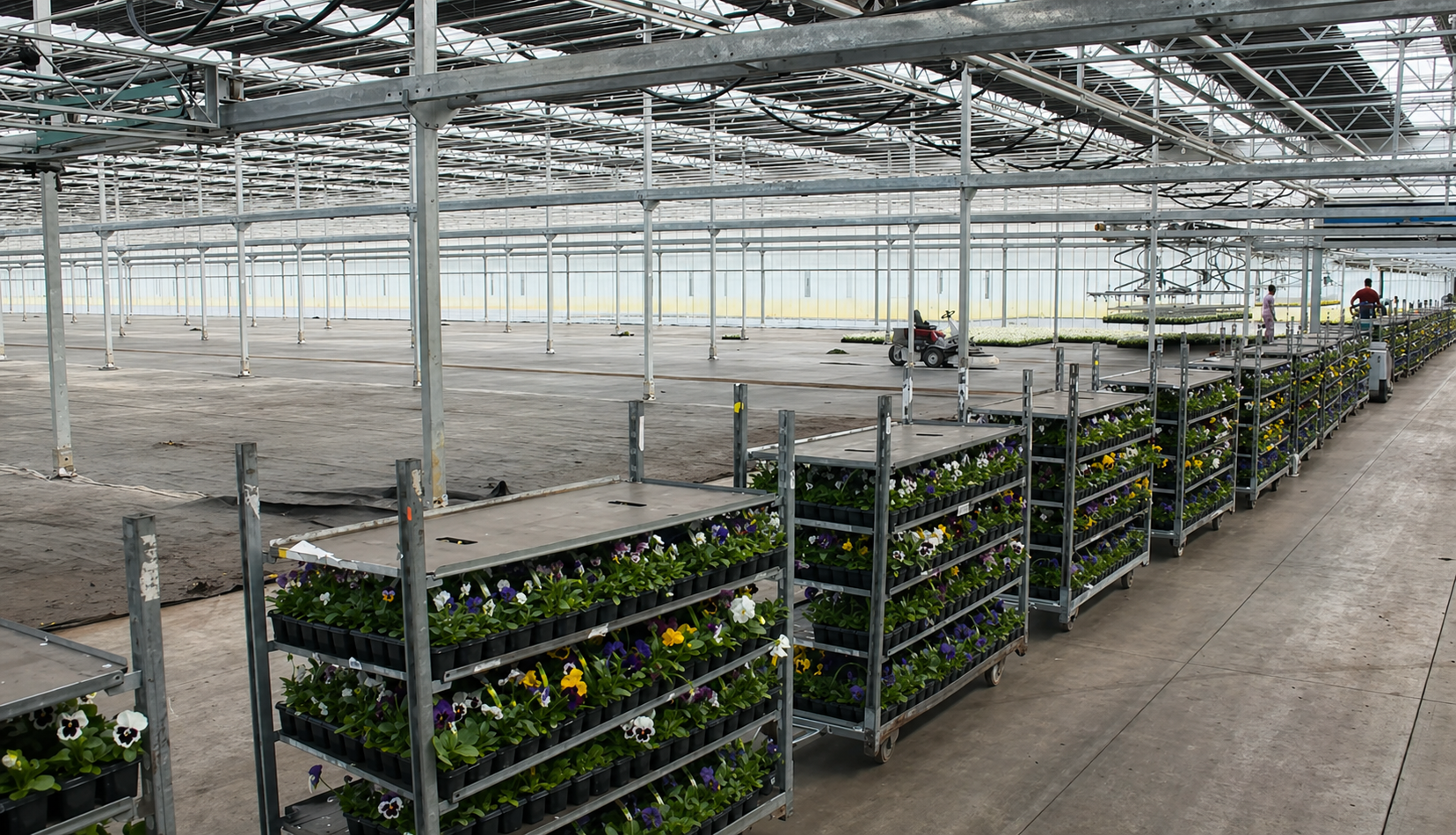
    A regional wholesale nursery supplying garden centers and landscape contractors operated large rolling plant transport racks across outdoor gravel lanes, compacted soil staging areas, and indoor greenhouse concrete floors. Equipment moved continuously throughout the day between interior and exterior work zones, making surface transitions a constant part of daily operation.

    Because carts were used continuously during peak shipping periods, mobility performance directly affected handling efficiency, labor fatigue, and equipment uptime throughout the facility.


    Business Challenge

    The nursery experienced recurring caster replacements on its plant transport carts. Operators reported that carts rolled acceptably on smooth concrete but became difficult to control outdoors. On gravel and compacted soil, wheels vibrated heavily and appeared to fight the surface. When returning indoors, carts felt uneven and less stable than before.

    “We can’t keep swapping wheels every few weeks during peak season. They just don’t hold up to the yard.”

    Maintenance observed increasing surface wear, chipping, and rough rolling behavior after only weeks of service. Downtime was rising during peak shipping periods.

    Nothing was structurally overloaded.  The issue was surface mismatch and cumulative vibration damage.


    Existing Caster Configuration (Before)

    Rig:
    5x2"
    Kingpin & rigid combo
    Zinc-plated steel


    Wheel:
    Phenolic resin
    Flat
    Roller


    Observed Result:
    Recurring surface wear, vibration on gravel and soil, and unstable rolling after repeated surface transitions.


    What Was Really Happening

    A technical review of the existing mobility system showed that the problem was not isolated to wheel durability alone. The interaction between tread material, wheel geometry, and bearing behavior created instability as carts moved between very different operating surfaces.


    1. Excessive Shock Transfer on Uneven Surfaces

    The phenolic resin wheels performed adequately on smooth greenhouse floors but transmitted substantial vibration when exposed to gravel lanes and compacted soil.

    Because the wheel material was rigid with minimal inherent shock absorption, impacts from uneven outdoor terrain transferred directly into the cart structure. Over time, this increased vibration contributed to unstable handling and accelerated wheel degradation.


    2. Flat Wheel Geometry Increased Surface Resistance

    The flat wheel face created larger contact patches on loose and transitional surfaces.

    While stable on flat concrete, this geometry increased rolling resistance outdoors and made the wheels less forgiving when encountering gravel displacement or uneven terrain. Operators experienced this as carts “fighting” movement during long transport cycles.


    3. Repeated Surface Transitions Accelerated Wear

    The carts continuously moved between smooth concrete, compacted soil, and gravel pathways throughout the day.

    The rigid wheel material handled each individual environment differently, but repeated transitions between those environments created cumulative stress that accelerated chipping, rough rolling behavior, and inconsistent tracking over time.


    4. Continuous Usage Amplified Instability

    Because the carts operated continuously during peak production periods, vibration and rolling inconsistency became progressively worse throughout the day.

    As wheels accumulated debris and surface wear, operators were required to apply additional correction force to maintain directional control, increasing handling fatigue and reducing transport efficiency.


    Recommended Solution

    After evaluating the operating surfaces, movement frequency, and continuous-duty usage cycle, we recommended a revised caster system designed specifically for multi-surface greenhouse transport environments.

    The updated configuration prioritized impact absorption, surface adaptability, and more stable rolling behavior across repeated indoor-to-outdoor transitions.


    Updated Caster Configuration

    Rig:
    6x2"
    Kingpin & rigid combo
    Zinc-plated steel


    Wheel:
    Semi-pneumatic
    Round
    Pedestal ball


    Why This Solution Worked

    Improved Surface Adaptability

    The semi-pneumatic wheel construction provided substantially greater compliance across gravel, compacted soil, and uneven transition areas.

    Instead of transmitting impacts directly into the cart structure, the wheel absorbed irregularities that previously created vibration and instability. This allowed carts to maintain more predictable movement across changing surfaces.


    Reduced Vibration During Outdoor Transport

    The semi-pneumatic wheel profile dampened repeated shock loading generated by gravel and rough exterior terrain.

    Movement became noticeably smoother during outdoor transport cycles, reducing operator fatigue and minimizing the harsh rolling behavior previously observed after extended use.


    More Controlled Movement Across Surface Transitions

    The round wheel face improved rolling continuity when moving between concrete floors and uneven outdoor pathways.

    Rather than resisting directional changes at surface boundaries, the wheels transitioned more smoothly between environments and maintained more consistent tracking behavior throughout the facility.


    Better Performance Under Continuous Daily Usage

    The pedestal ball bearing supported smoother rolling initiation and more consistent movement during continuous transport cycles.

    Combined with the larger 6x2" wheel size, the updated system reduced rolling interruption caused by debris, minor surface irregularities, and loose outdoor material accumulation.


    Results

    • Reduced vibration and handling instability across gravel and compacted soil pathways
    • Improved rolling consistency between indoor greenhouse floors and exterior transport areas
    • Lower wheel replacement frequency during peak operating periods
    • Smoother cart handling and reduced operator correction effort during continuous movement cycles
    • Improved uptime and reduced mobility-related maintenance interruptions

    While the previous caster setup functioned adequately on smooth indoor flooring, the revised system aligned wheel behavior with the operational realities of continuous multi-surface greenhouse transport.

    “The carts finally feel consistent again. Operators aren’t fighting them every time they leave the greenhouse.”


    Key Takeaway

    In multi-surface transport environments, caster performance depends on how the wheel, rig, and bearing system manage repeated transitions between different operating conditions. A configuration that performs adequately indoors may degrade quickly when exposed to continuous vibration, debris, and uneven terrain outdoors.

    By balancing wheel compliance, rolling geometry, and bearing behavior as a complete mobility system, this greenhouse operation improved rolling stability, reduced wear accumulation, and restored predictable cart movement across the entire facility.


    How CasterDepot Can Help

    For over 45 years, CasterDepot has helped nursery & greenhouse operations engineer mobility solutions that perform under real-world conditions—not just on spec sheets.


    Next steps:
    Talk it through with your local CasterHead®
    Discuss pricing and lead time
    Request supporting documentation
    Test a sample in your application


    Contact us now at https://www.casterdepot.com/contact/ or call one of our CasterHead® at 888.907.9952
  • Preventing Premature Wheel Failure in Fabrication Carts Operating in Heavy Debris Zones


    Company Overview

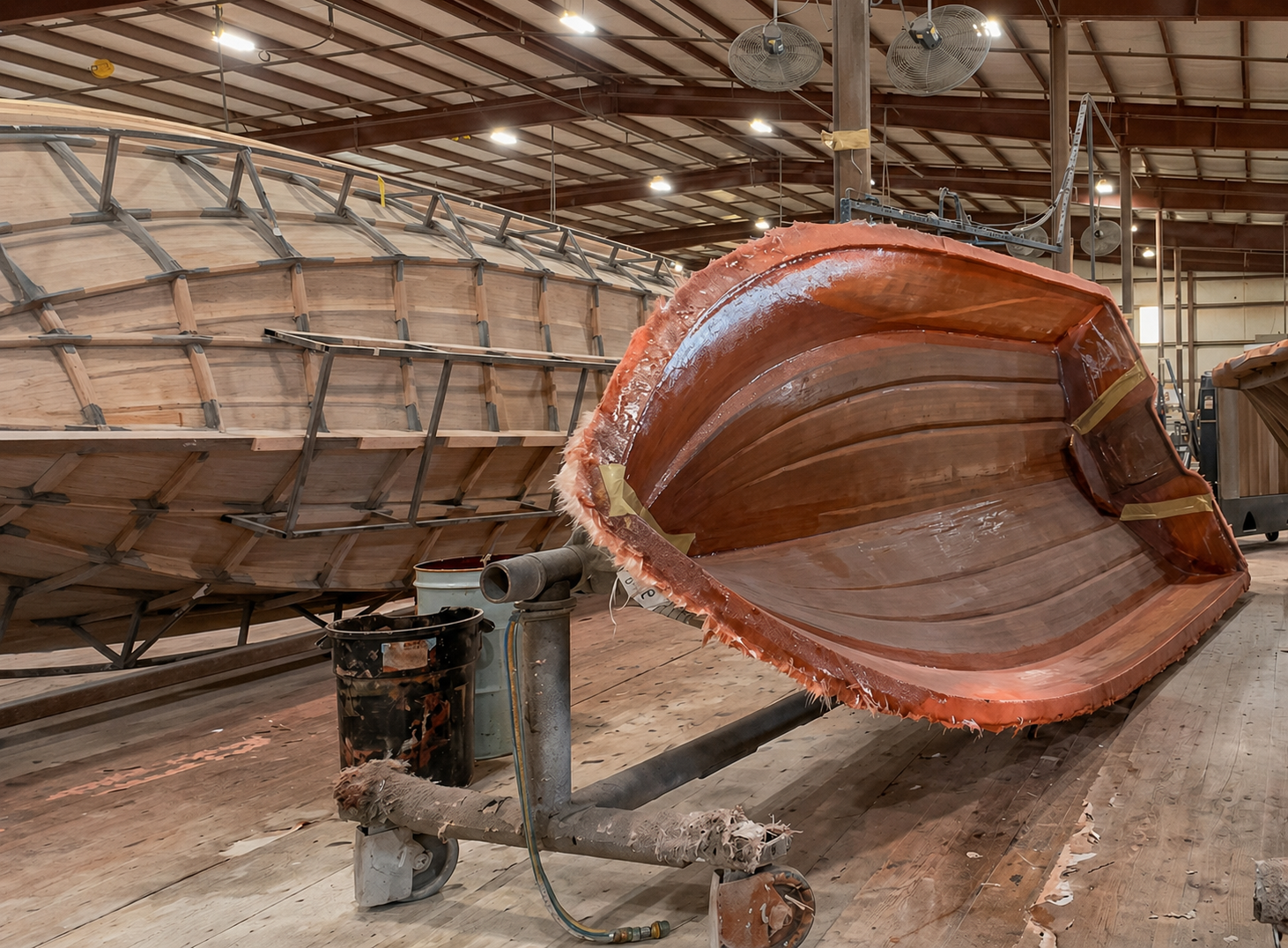
    A mid-sized boat manufacturing company produces custom aluminum fishing boats and fiberglass recreational vessels. The facility relies on mobile fabrication carts to move partially assembled hull frames between welding, grinding, and structural fitting stations.

    These carts operate primarily on concrete floors where metal shavings, weld slag, grinding dust, and small aluminum offcuts accumulate throughout each shift. Mobility systems in this environment are exposed to constant debris interaction—not occasional contamination.


    Business Challenge

    Maintenance began reporting increased caster replacements over two consecutive quarters. Wheels were chipping, cracking, and in some cases locking up after only several weeks in service.

    “The carts feel great at first, but once they’ve been in the welding area for a while, they start dragging and vibrating.”

    Operators initially described smooth and stable performance. However, as debris built up on the floor, push force increased and carts began to resist movement. Flat sections developed on the tread surface, creating vibration and instability when transporting partially assembled frames.

    The organization assumed that selecting a medium duty caster would sufficiently address the load. The impact of continuous metallic debris exposure was not evaluated as a primary performance variable.


    Existing Caster Configuration (Before)

    Rig:
    5x2
    Kingpin & rigid combo
    Zinc-plated steel


    Wheel:
    Phenolic resin
    Flat
    Roller


    Observed Result:
    Wheels chipped and cracked in debris-heavy zones. Tread damage increased rolling resistance, leading to vibration and accelerated bearing contamination.


    What Was Really Happening

    The failure was not caused by overload. It was caused by debris interaction mechanics.

    In heavy debris environments, wheel face geometry (35%) and tread material (30%) are the dominant performance drivers . The flat-faced phenolic wheel created sustained surface contact with metallic debris. Instead of shedding particles, the wheel trapped them under load.

    Phenolic resin, while dimensionally stable and cost-effective, is brittle relative to debris-induced impact forces. Repeated rolling over weld slag and sharp aluminum fragments introduced localized stress concentrations. Over time, micro-fractures developed into visible chipping and surface fracture.

    As the tread degraded, embedded debris altered rolling geometry. This increased rolling resistance and created intermittent impact loading. Those impact fluctuations transferred into the roller bearing and kingpin swivel assembly.

    The bearing failures were secondary. They were a cascading result of tread breakdown and debris accumulation.

    The rig was structurally adequate for load. However, the kingpin-style swivel transmitted debris-induced shock more directly into the assembly, accelerating wear under inconsistent impact conditions.

    This was not a capacity issue. It was an environmental compatibility issue.


    Recommended Solution

    The revised configuration prioritized debris shedding, impact resistance, and structural stability under repeated metallic contact.

    The objective was not simply higher capacity—but controlled interaction with sharp, abrasive debris.


    Updated Caster Configuration

    Rig:
    5x2
    Kingpinless & rigid combo
    Zinc-plated steel


    Wheel:
    High-impact polymer
    Crowned
    Precision


    Why This Solution Worked


    Improved Debris Shedding

    The crowned wheel face reduced sustained surface contact with metallic debris. Instead of trapping particles under a broad flat footprint, the geometry encouraged debris displacement during rolling. This reduced concentrated stress points at the tread interface.


    Greater Resistance to Chipping and Surface Fracture

    High-impact polymer offers improved resistance to cutting and gouging compared to phenolic resin in abrasive environments. Under repeated exposure to weld slag and aluminum fragments, the tread maintained structural integrity rather than fracturing.

    Because tread material durability accounts for 30% of performance weighting in heavy debris environments , selecting a more impact-tolerant material directly addressed the root cause of degradation.


    Reduced Shock Transfer into the Rig

    The kingpinless swivel design distributes impact loads more effectively than traditional kingpin construction. In environments where debris creates intermittent impacts, this structural difference improves long-term durability.

    The rig did not fail in the original configuration—but it experienced unnecessary shock loading caused by tread degradation. The updated system reduced those transmitted forces at the source.


    More Stable Rolling Performance

    With a stable tread surface and reduced debris embedding, rolling resistance remained consistent over time. The precision bearing operated under smoother load distribution, limiting contamination-related degradation and extending service life.

    The bearing was no longer compensating for surface failure—it was operating within controlled conditions.


    Results

    • Significant reduction in tread chipping and cracking
    • Improved debris shedding behavior in welding zones
    • Lower push force as debris accumulated during shifts
    • Extended bearing service life
    • Reduced caster replacement frequency

    “We stopped treating the carts like consumables. They just keep rolling.”


    Key Takeaway

    In heavy debris environments, wheel material and face geometry determine whether a caster survives or degrades under abrasive exposure. Capacity ratings alone do not predict long-term performance when sharp metallic debris is present.

    Caster systems function as integrated assemblies. When tread breakdown begins, shock loads transfer into the bearing and rig, accelerating failure across the entire system. Environment-first material selection prevents this cascade.


    How CasterDepot Can Help

    For over 45 years, CasterDepot has helped boat manufacturing operations engineer mobility solutions that perform under real-world conditions—not just on spec sheets.


    Next steps:
    Talk it through with your local CasterHead®
    Discuss pricing and lead time
    Request supporting documentation
    Test a sample in your application


    Contact us now at https://www.casterdepot.com/contact/ or call one of our CasterHead® at 888.907.9952
  • Eliminating Startup Resistance in Metal Fabrication Transport Carts


    Company Overview

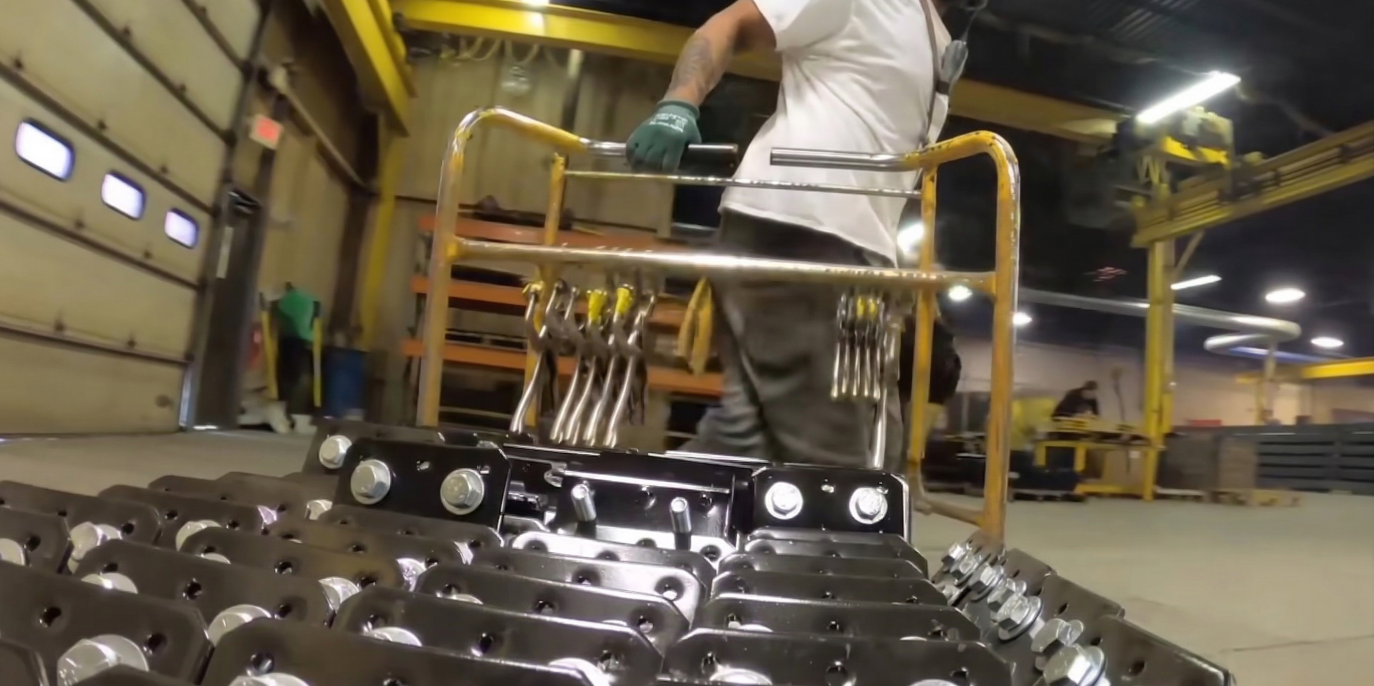
    A mid-sized metal fabrication company produces custom steel frames and structural assemblies. Work-in-progress weldments are transported throughout the facility on medium-duty carts between cutting, welding, grinding, and finishing stations.

    Carts are frequently loaded with partially completed frames and often sit stationary under load while welding operations are performed.


    Business Challenge

    Over several months, operators reported that fabrication carts were becoming significantly harder to start moving after sitting loaded. What had previously been manageable by one operator increasingly required two employees to initiate movement.

    “We didn’t change the loads, but suddenly it felt like the carts were glued to the floor at startup.”

    Supervisors also noted rising fatigue complaints and minor strain concerns, particularly during shift transitions when carts had to be repositioned. Steering became inconsistent, with operators describing the carts as “grabbing” or “dragging” during turns.

    Initial assumptions focused on rig durability. However, replacing rig components did not resolve the push-force issue.


    Existing Caster Configuration (Before)

    Rig:
    5x2
    Kingpin & rigid combo
    Zinc-plated steel


    Wheel:
    Rubber on cast iron
    Crowned
    Roller


    Observed Result:
    Increased startup resistance and inconsistent steering after carts remained under load.


    What Was Really Happening

    The failure mode was not structural—it was behavioral.

    These carts routinely remained stationary under significant static load while weldments were being fabricated. During these dwell periods, the rubber tread remained compressed against the floor surface.

    Rubber materials, while comfortable and vibration-absorbing, are susceptible to creep and compression-set under sustained load. Repeated deformation cycles altered the tread’s ability to return to its original shape. When operators attempted to restart movement, additional force was required to overcome the flattened contact patch.

    The crowned wheel face further concentrated load toward the center of the tread, increasing localized deformation during stationary periods.

    Although the roller bearing supported load appropriately, bearings cannot compensate for energy loss within the tread material itself. The system imbalance originated in tread behavior under sustained compression—not in rig capacity or bearing strength.


    Recommended Solution

    The application required a wheel material that would maintain dimensional stability under static load while preserving controlled rolling characteristics during startup and steering.

    Rather than increasing structural capacity, the solution focused on improving material resilience and startup efficiency.


    Updated Caster Configuration

    Rig:
    5x2
    Kingpinless & rigid combo
    Zinc-plated steel


    Wheel:
    Polyurethane on aluminum
    Round
    Precision


    Why This Solution Worked

    Improved Resistance to Compression-Set

    Polyurethane on aluminum provides significantly stronger resistance to sustained deformation compared to traditional rubber. Under static load, the tread maintains its geometry more effectively, reducing the “flat-spot” effect that increased startup resistance.


    Balanced Energy Return During Startup

    The polyurethane tread offers controlled resilience—absorbing minor vibration while efficiently returning energy during initial movement. This reduces the force required to break static inertia after carts have been sitting.


    Improved Steering Predictability

    Switching from a crowned to a round face distributed load more evenly across the tread. This reduced localized deformation and eliminated the “grab” sensation during turns.


    Reduced Rolling Friction at the Bearing Interface

    The precision bearing lowered internal rolling resistance and improved consistency during directional changes. While the bearing was not the root cause of failure, it complemented the tread upgrade by minimizing mechanical losses within the mobility system.


    The result was a rebalanced caster system—where wheel material resilience, face geometry, and bearing efficiency worked together rather than against each other.


    Results

    • Reduced startup push force after extended stationary load periods
    • More consistent steering and turning behavior
    • Decreased operator fatigue during repositioning
    • Improved ergonomic performance across fabrication shifts


    “Now one operator can move the carts again without fighting them.”


    Key Takeaway

    Ergonomic performance is not determined by load rating alone. In applications where equipment sits under sustained static weight, tread resistance to compression-set directly influences startup force and operator fatigue.

    Caster systems must be evaluated as an integrated balance of tread behavior, wheel geometry, and bearing efficiency. When wheel material is matched to real duty cycles—not just load capacity—ergonomic stability follows.


    How CasterDepot Can Help

    For over 45 years, CasterDepot has helped metal fabrication operations engineer mobility solutions that perform under real-world conditions—not just on spec sheets.


    Next steps:
    Talk it through with your local CasterHead®
    Discuss pricing and lead time
    Request supporting documentation
    Test a sample in your application


    Contact us now at https://www.casterdepot.com/contact/ or call one of our CasterHead® at 888.907.9952

  • Restoring Mobility Performance in High-Heat Food Processing Environments


    Company Overview

    A regional food processing facility produces baked and prepared hot-food products for national grocery distribution. Their operation relies on mobile oven racks that move directly from high-temperature ovens into staging and cooling zones multiple times per shift.

    The racks remain in close proximity to elevated ambient heat during production runs.


    Business Challenge

    Over several production cycles, the facility began experiencing repeated caster issues on their oven racks. While load ratings were not being exceeded, operators noticed that racks became increasingly difficult to maneuver after extended use near ovens.

    Maintenance teams reported that wheels would begin to lose shape and roll inconsistently after repeated exposure to elevated temperatures. Rolling resistance increased, and racks no longer tracked smoothly when transporting hot loads.

    Production downtime increased due to frequent wheel replacements, and supervisors raised safety concerns about rack stability during movement.

    “We weren’t overloading the racks. But after a few heat cycles, they just didn’t roll the same.”

    Nothing had structurally failed. But performance was degrading in ways that affected safety, uptime, and operator control.


    Existing Caster Configuration (Before)

    Rig:
    5x2"
    Kingpin & rigid combo
    Zinc-plated steel


    Wheel:
    TPR on polypropylene
    Flat
    Roller


    Observed Result:
    Wheels softened and deformed under sustained elevated temperatures, increasing rolling resistance and reducing tracking stability.


    What Was Really Happening

    The original configuration met medium-duty load requirements and provided comfortable rolling on finished concrete floors. However, the application environment introduced a dominant performance variable: sustained elevated ambient heat.

    Three system-level issues emerged over time.

    1. Tread Softening Under Elevated Temperatures

    The TPR tread material was selected for smooth, ergonomic movement. However, high-heat applications prioritize temperature capability and material stability under thermal exposure.

    Repeated heat cycles reduced hardness retention and increased susceptibility to deformation. Under load, the tread began to flatten and lose dimensional stability.

    This directly increased rolling resistance and altered contact behavior at the floor interface.


    2. Dimensional Instability Affecting Tracking

    As the tread deformed, the wheel no longer maintained consistent geometry. Instead of tracking predictably, racks began to resist directional changes and required increased operator correction.

    What felt like “bearing drag” was actually tread instability influencing the entire mobility system.


    3. Downstream Bearing Stress

    The roller bearing was structurally sufficient under normal conditions. But once tread deformation altered load distribution, internal stresses increased.

    The bearing did not initiate failure. It was reacting to inconsistent load transfer caused by thermally compromised wheel material.


    The issue was not duty rating. It was temperature capability relative to sustained environmental exposure.


    Recommended Solution

    The revised configuration prioritized high-temperature material stability as the primary selection criterion, followed by structural consistency and predictable tracking.

    Rather than optimizing for operator comfort near ambient conditions, the solution focused on maintaining dimensional integrity during repeated exposure to oven-adjacent heat.


    Updated Caster Configuration

    Rig:
    5x2"
    Kingpinless & rigid combo
    Stainless steel


    Wheel:
    High-temp nylon
    Crowned
    Bronze


    Why This Solution Worked

    Material Stability Under Heat

    High-temp nylon is engineered to retain mechanical properties at elevated operating temperatures. Instead of softening under repeated heat cycles, the tread maintains dimensional integrity under load.

    This prevented the deformation that previously increased rolling resistance and compromised tracking.


    Improved Structural Consistency

    By eliminating thermally induced tread distortion, load transfer through the wheel remained consistent. The crowned face further supported controlled contact and reduced edge loading as racks transitioned between oven and cooling areas.

    Movement returned to predictable, stable behavior.


    Bearing Performance Aligned to Environment

    The bronze bearing provided temperature-tolerant rotational support without reliance on elements that can degrade under elevated heat exposure.

    With tread stability restored, the bearing operated under consistent load distribution, maintaining rolling efficiency over repeated production cycles.


    Rig Upgrade for Environmental Compatibility

    The stainless steel kingpinless & rigid combo improved structural durability in a thermally aggressive, food-processing environment. While the rig was not the initial failure point, its upgrade ensured long-term corrosion resistance and structural consistency near ovens.


    The system now operated as an integrated mobility solution rather than a collection of individually rated components.


    Results

    • Rolling resistance remained stable across repeated heat cycles
    • Reduced frequency of wheel replacement
    • Improved rack tracking and maneuverability near ovens
    • Decreased production downtime linked to caster changeouts

    “We stopped replacing wheels every few weeks. The racks roll the same at the end of the shift as they do at the start.”


    Key Takeaway

    In high-heat food processing environments, temperature capability must anchor the entire caster selection process. Load rating alone cannot predict real-world performance when sustained thermal exposure alters material behavior.

    Caster systems perform as integrated assemblies. Wheel material stability, bearing compatibility, and rig durability must align with environmental conditions to prevent gradual performance degradation that affects safety and uptime.


    How CasterDepot Can Help

    For over 45 years, CasterDepot has helped food processing operations engineer mobility solutions that perform under real-world conditions—not just on spec sheets.


    Next steps:
    Talk it through with your local CasterHead®
    Discuss pricing and lead time
    Request supporting documentation
    Test a sample in your application


    Contact us now at https://www.casterdepot.com/contact/ or call one of our CasterHead® at 888.907.9952

  • Preventing Wheel Degradation in Constant-Wet Greenhouse Transport Carts


    Company Overview

    A regional greenhouse operator runs multiple facilities with rolling plant racks and irrigation carts in continuous circulation. Daily operations include scheduled watering cycles, misting systems, hose-down sanitation, and routine transport between indoor and outdoor growing zones.

    In this environment, carts rarely experience extended dry periods. Moisture exposure is constant, not incidental.


    Business Challenge

    Over time, primary transport carts became progressively harder to move. Wheels initially rolled normally but began showing visible material breakdown and dimensional instability after extended exposure to water.

    “We can’t afford carts going down in peak season because the wheels won’t roll.”

    Mobility reliability declined during high-demand cycles, forcing maintenance teams to rotate carts out of service for repeated caster replacement.

    The issue was not load failure.
    It was environmental mismatch.


    Existing Caster Configuration (Before)

    Rig:
    5x2"
    Kingpin & rigid combo
    Zinc-plated steel


    Wheel:
    Phenolic resin
    Flat
    Roller


    Observed Result:
    Wheels progressively degraded in constant wet exposure, increasing rolling resistance and requiring premature replacement.


    What Was Really Happening

    The greenhouse environment created a performance condition dominated by persistent moisture. Wet-environment evaluation priorities emphasize:

    • Tread resistance to water absorption and swelling
    • Hardness retention under prolonged exposure
    • Corrosion resistance of metallic components
    • Dimensional stability during repeated wet cycles

    Phenolic resin, while rigid and structurally capable under dry load conditions, does not align with continuous moisture exposure priorities.


    As water exposure accumulated:

    1. Dimensional Stability Declined

    The wheel material began losing hardness retention characteristics under repeated wet cycles. Even minor dimensional change altered rolling geometry and contact behavior.

    2. Rolling Resistance Increased

    As the wheel’s structure shifted, resistance increased. Operators compensated with additional push force, accelerating wear and fatigue.

    3. System Interaction Degraded

    Roller bearings depend on stable wheel geometry. As the wheel body destabilized, bearing alignment and rolling efficiency were indirectly affected, compounding resistance.


    The failure was not isolated to one component.
    It was a system reacting to an environment it was not designed to tolerate continuously.


    Recommended Solution

    A revised configuration was selected using wet-environment weighting priorities as the primary decision driver, rather than rigidity or load rating alone.

    Material selection focused on moisture resistance, dimensional stability, and long-term performance in repeated water exposure.


    Updated Caster Configuration

    Rig:
    5x2"
    Kingpin & rigid combo
    Zinc-plated steel


    Wheel:
    TPE on polypropylene
    Flat
    Pedestal ball


    Why This Solution Worked


    Moisture-Resistant Tread Material

    TPE provides improved resistance to water interaction compared to rigid phenolic construction. The elastomeric tread maintains dimensional stability and hardness retention during prolonged moisture exposure, reducing swelling-related performance drift.


    Stable Hub Core Construction

    The polypropylene core offers improved moisture tolerance and structural consistency in wet conditions. By reducing water-related material instability, the wheel maintains consistent geometry over time.


    Bearing Compatibility with Stable Wheel Structure

    The pedestal ball bearing supports sustained movement while benefiting from improved dimensional consistency in the wheel body. With the tread maintaining stability, bearing alignment and rolling efficiency remain predictable.


    Maintained Load Capacity Without Moisture Trade-Off

    The updated configuration preserved required load performance while aligning material properties with environmental priorities, eliminating the mismatch that caused degradation.


    Results

    • Reduced wheel degradation in constant wet exposure
    • More consistent rolling resistance during peak demand cycles
    • Decreased cart downtime for caster replacement
    • Improved mobility reliability across watering zones

    “Now the carts roll the same in week twenty as they did on day one.”


    Key Takeaway

    In greenhouse watering zones, moisture compatibility is not a secondary refinement—it is the dominant design variable. When tread material lacks water-resistance and hardness retention, dimensional drift disrupts the entire mobility system.

    Caster performance in wet environments depends on alignment between tread material, hub stability, and bearing interaction. Selecting components based on load capacity alone overlooks the environmental forces that ultimately determine longevity.


    How CasterDepot Can Help

    For over 45 years, CasterDepot has helped nursery & greenhouse operations engineer mobility solutions that perform under real-world conditions—not just on spec sheets.


    Next steps:
    Talk it through with your local CasterHead®
    Discuss pricing and lead time
    Request supporting documentation
    Test a sample in your application


    Contact us now at https://www.casterdepot.com/contact/ or call one of our CasterHead® at 888.907.9952
  • Reducing Rolling Noise from Banquet Service Carts in Event Spaces


    Company Overview

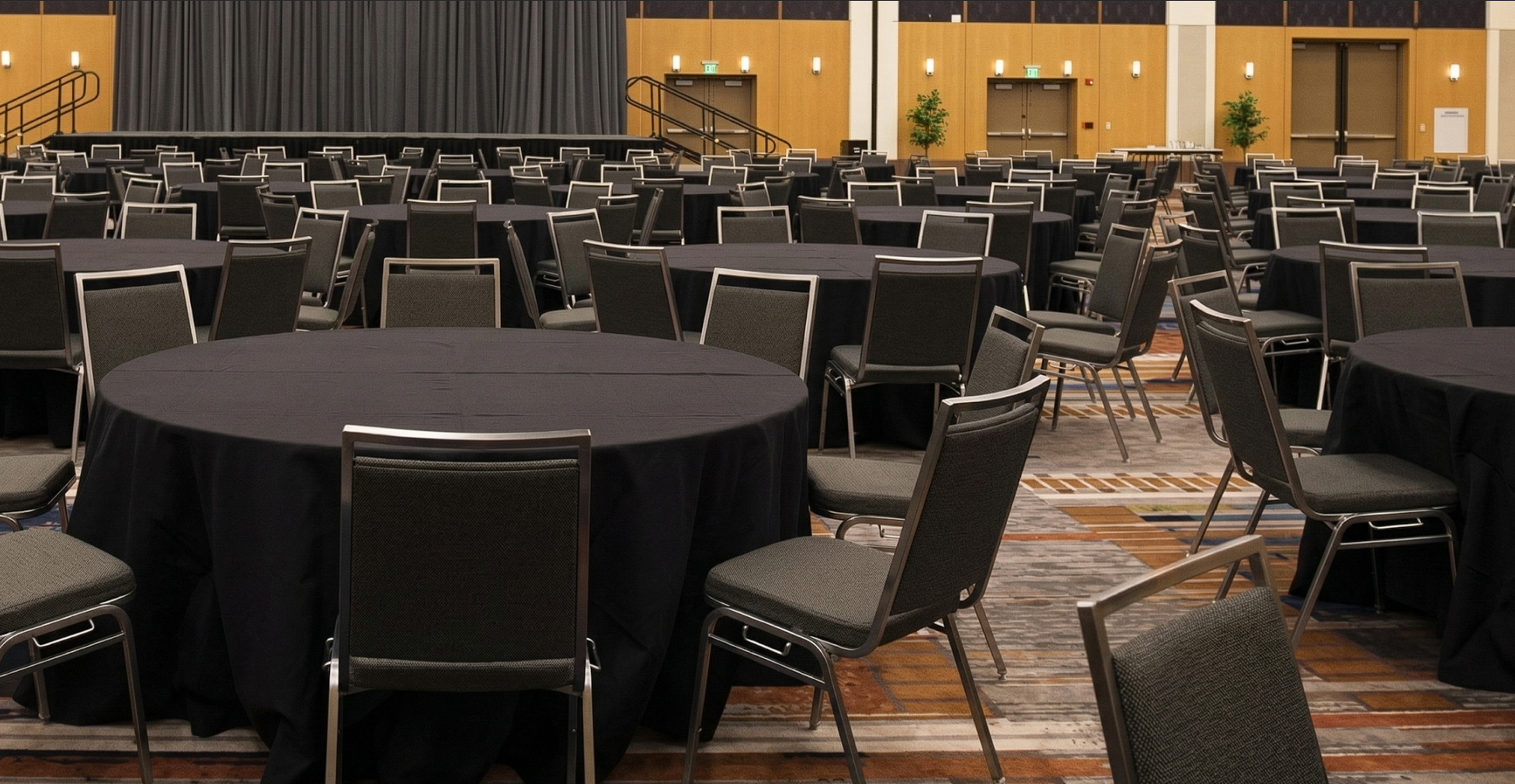
    A large resort and conference hotel hosts weddings, corporate meetings, and formal banquets throughout the week. Event staff frequently move mobile equipment such as service carts, portable bars, and staging equipment between ballrooms and conference areas.

    Many events take place while guests are present, requiring staff to reposition equipment quietly during presentations, ceremonies, and meal service.


    Business Challenge

    During events, staff occasionally need to move carts across polished ballroom floors and adjacent tile corridors to reposition service stations or clear equipment. Over time, several carts began producing noticeable rolling noise during movement.

    "During a wedding ceremony, you could hear the cart moving across the ballroom. That’s the last thing we want guests noticing."

    Event coordinators reported that the sound became especially noticeable during quiet moments such as speeches, presentations, or wedding ceremonies. As a result, staff often delayed moving equipment until breaks in the event schedule, which slowed workflow and disrupted room turnover between events.

    The carts themselves were structurally sound. The issue appeared only when they were moving.


    Existing Caster Configuration (Before)

    Rig:
    5x2"
    Kingpin & rigid combo
    Zinc-plated steel


    Wheel:
    Phenolic resin
    Flat
    Roller


    Observed Result:
    Noticeable rolling noise generated during movement across hard flooring, particularly in quiet indoor environments—leading to operational disruption, delayed equipment movement, and reduced efficiency in event turnover.


    What Was Really Happening

    A closer look at the mobility system showed that the carts were operating with a configuration optimized for durability rather than acoustic performance.


    Rigid Wheel Material Amplified Floor Noise

    Phenolic resin wheels are extremely rigid and transmit impact energy rather than absorbing it. As the carts rolled across polished ballroom floors, small surface variations created repeated contact impacts that generated audible rolling noise.

    In quiet hospitality environments, this type of rigid wheel-floor interaction becomes especially noticeable.


    Vibration Was Transmitted Through the Caster System

    Because the wheel material provided minimal vibration dampening, energy generated at the floor interface traveled directly through the wheel and into the caster assembly.

    Once inside the frame, those vibrations propagated through the cart structure, allowing the sound to resonate through the equipment itself.


    Bearings Allowed Vibration to Pass Through the Assembly

    Roller bearings supported efficient rolling under moderate loads, but they did not contribute to vibration reduction within the wheel assembly.

    With no component in the system designed to dissipate vibrational energy, noise generated at the floor interface was transmitted almost entirely through the caster system.


    The configuration functioned mechanically, but acoustically it behaved like a rigid vibration path from floor to cart.


    Recommended Solution

    After reviewing how the equipment was used—including floor materials, operating loads, and the need for quiet movement during live events—the caster system was reconfigured to prioritize vibration dampening and quieter rolling behavior while maintaining reliable maneuverability.


    Updated Caster Configuration

    Rig:
    6x2"
    Kingpinless & rigid combo
    Zinc-plated steel


    Wheel:
    Semi-pneumatic
    Round
    Pedestal ball


    Why This Solution Worked


    Softer Wheel Interface Reduced Rolling Noise

    The semi-pneumatic wheel introduced a compliant rolling interface that absorbed small surface variations rather than transmitting them directly into the caster system.

    Instead of producing sharp contact impacts, the wheel deformed slightly as it rolled, which significantly reduced audible floor noise on polished ballroom surfaces.


    Wheel Construction Provided Natural Vibration Dampening

    Compared to rigid phenolic wheels, the semi-pneumatic construction naturally dissipated vibrational energy before it could travel into the frame of the cart.

    This reduced the amount of vibration transmitted through the caster system and prevented the cart structure from amplifying rolling noise.


    Bearing Selection Maintained Smooth Rolling

    Pedestal ball bearings supported consistent rotation under moderate loads while maintaining predictable rolling resistance.

    Because the wheel material now absorbed most floor-generated vibration, the bearing system operated within a quieter and more stable mobility system.


    Improved Rig Stability for Event Operations

    The kingpinless & rigid combo configuration provided stronger structural support for frequent maneuvering in tight event spaces while maintaining directional stability during longer pushes across ballrooms and corridors.


    Results

    • Noticeable reduction in rolling noise during live events
    • Equipment can be repositioned without disrupting presentations or ceremonies
    • Staff no longer need to delay equipment movement during quiet event moments
    • Improved operational flow during event setup and room turnover


    "We can move equipment during the event now without worrying about guests hearing it across the room."


    Key Takeaway

    Caster performance in quiet hospitality environments is strongly influenced by how the wheel material interacts with hard flooring surfaces. When rigid wheels are used on polished floors, even small surface variations can generate noticeable noise that travels through the entire mobility system.

    By selecting a wheel that naturally absorbs vibration while maintaining compatible rig and bearing support, mobility systems can operate smoothly and quietly without sacrificing durability or maneuverability.


    How CasterDepot Can Help

    For over 45 years, CasterDepot has helped hospitality operations engineer mobility solutions that perform under real-world conditions—not just on spec sheets.


    Next steps:

     Talk it through with your local CasterHead®
    Discuss pricing and lead time
    Request supporting documentation
    Test a sample in your application


    Contact us now at https://www.casterdepot.com/contact/ or call one of our CasterHead® at 888.907.9952

  • Reducing Operator Fatigue in Touring Road Case Transport


    Company Overview

    A mid-sized production company specializing in live event staging and touring support. Their equipment is frequently transported between venues, requiring constant loading, unloading, and repositioning of heavy road cases.


    Business Challenge

    The crew began reporting increasing physical strain during routine transport. Tasks that were once manageable now required noticeably more effort, particularly during long load-in and load-out days.

    "By the end of the day, it felt like we were fighting the cases more than moving them."

    Fatigue began setting in earlier, slowing operations and increasing frustration across crews working repeated shifts in varied venue environments.


    Existing Caster Configuration (Before)

    Rig:
    4x2"
    Kingpin swivel
    Zinc-plated steel


    Wheel:
    Rubber on cast iron
    Crowned
    Roller


    Observed Result:
    The configuration maintained durability but introduced increasing rolling resistance and operator fatigue during extended manual transport.


    What Was Really Happening

    A closer evaluation of the system revealed that the issue was not load capacity or structural failure—it was energy loss throughout the mobility system.


    1. Energy Absorption in the Wheel Material

    The rubber tread absorbed energy under load instead of returning it efficiently. While this provided some vibration reduction, it required continuous input force from operators to maintain motion.

    Over long distances, this translated directly into higher push and pull effort.


    2. Resistance Introduced by the Rig Design

    The kingpin swivel design added friction during directional changes, particularly under continuous movement. This created additional resistance when initiating turns and maintaining tracking, increasing cumulative effort during repeated cycles.


    3. Bearing Inefficiency Under Manual Movement

    Roller bearings supported load but did not minimize rolling resistance in start-stop, manually driven conditions.

    Operators experienced higher startup force requirements and less consistent rolling behavior, further compounding fatigue when combined with the energy-absorbing tread.


    Recommended Solution

    The revised configuration focused on reducing energy loss across the entire system—improving how force is transferred, maintained, and returned during movement rather than absorbed.


    Updated Caster Configuration

    Rig:
    4x2"
    Kingpin swivel
    Zinc-plated steel


    Wheel:
    Polyurethane on polypropylene
    Crowned
    Pedestal ball


    Why This Solution Worked


    Improved Energy Return at the Wheel Level

    Polyurethane provided higher resilience compared to rubber, reducing deformation losses during rolling. Instead of absorbing input energy, the wheel returned more of it into forward motion, lowering sustained push force.


    Reduced Rolling Resistance Through Bearing Selection

    The pedestal ball bearing minimized friction during both startup and continuous movement. This improved rolling consistency and reduced the effort required to initiate motion under load.


    Balanced Maneuverability Without Excess Loss

    Maintaining the crowned profile preserved maneuverability, while the improved wheel and bearing combination prevented the system from losing energy during direction changes.


    System-Level Efficiency Gains

    Rather than relying on a single component, the updated configuration reduced cumulative resistance across the wheel, bearing, and rig interaction—resulting in smoother, more predictable movement.


    Results

    • Reduced push and pull effort during transport
    • Delayed onset of operator fatigue during long shifts
    • More consistent rolling behavior across varied surfaces
    • Improved crew efficiency during load-in and load-out

    "It’s not just easier—it stays easier throughout the whole day."


    Key Takeaway

    Operator fatigue in manual transport is rarely caused by a single component. It is the result of cumulative energy losses across the wheel, bearing, and rig working together under real-world conditions.

    Improving ergonomic performance requires reducing those losses system-wide—ensuring that input force translates into motion efficiently, rather than being absorbed or resisted at multiple points.


    How CasterDepot Can Help

    For over 45 years, CasterDepot has helped road-case operations engineer mobility solutions that perform under real-world conditions—not just on spec sheets.


    Next steps:
    Talk it through with your local CasterHead®
    Discuss pricing and lead time
    Request supporting documentation
    Test a sample in your application


    Contact us now at https://www.casterdepot.com/contact/ or call one of our CasterHead® at 888.907.9952

Items 1 to 10 of 279 total

Page:
  1. 1
  2. 2
  3. 3
  4. 4
  5. 5
  6. ...
  7. 28